Hampton Roads humidity is relentless.
Summer humidity regularly hits 70-80 percent. The Chesapeake Bay and Atlantic Ocean keep moisture in the air even as temperatures cool. This isn't dry desert air. It's thick, persistent, moisture-laden air.
Your roof handles it. Properly installed roofing sheds water and ventilation prevents moisture accumulation.
But when roofing has vulnerabilities, Hampton Roads humidity accelerates problems. Small leaks become major water damage. Minor mold becomes extensive growth. Minor wood deterioration becomes structural rot.
The window to act is now. August and early September, before fall storms arrive, is the time to identify and fix roof problems.
Here are five roof issues that worsen rapidly in Hampton Roads humidity.
1. Water Leaks and Roof Penetrations
A small leak that might take months to cause damage in Arizona causes significant damage in Hampton Roads within weeks.
Why? Humidity provides the moisture. Any gap in your roof becomes a consistent source of water intrusion.
Where leaks commonly start: Flashing around chimneys, vents, skylights, or plumbing penetrations. Gaps at shingle edges. Nail holes left by old flashing or antennae.
What happens: Water enters the attic. Given the moisture in air, it doesn't dry. It accumulates. Insulation becomes damp and loses effectiveness. Wood sheathing softens. Mold begins colonizing within 24-48 hours of continuous moisture.
Timeline: In Arizona, water damage might take months to become serious. In Hampton Roads, serious damage develops in 2-4 weeks.
Solution: Don't ignore water stains. Identify the leak source (usually visible from attic on sunny days when light shines through the hole). Get it repaired immediately. Even small gaps should be sealed.
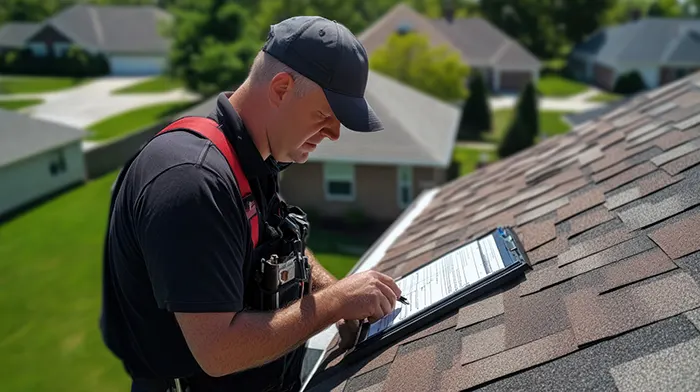
A professional inspection identifies leaks before they become visible interior damage.
2. Mold and Mildew Growth
You see black or green streaks on your shingles. You see mottled discoloration. That's mold or algae, not staining.
In humid climates, mold thrives on roofing material. It's not just cosmetic. Mold indicates moisture accumulation and accelerates material breakdown.
Why it matters: Mold feeds on organic material (asphalt shingles contain organic compounds). It penetrates shingles. It spreads to the underside of shingles and roof deck. It promotes wood rot. It can colonize your attic.
Health consideration: Airborne mold spores enter your home. For people with allergies or respiratory issues, this is serious.
Timeline: Mold starts as light discoloration. In Hampton Roads humidity, it spreads rapidly, especially on shaded roof sections or areas with poor ventilation.
Solution: Professional roof cleaning removes mold and kills spores. Biocides prevent regrowth. But cleaning is temporary if ventilation is poor. Improve attic ventilation to reduce moisture. Address any roof leaks contributing to the problem.
3. Wood Rot and Structural Deterioration
Your roof deck (the plywood or board sheathing under shingles) is wood. Wood and moisture don't mix.
If your roof has vulnerabilities, water accumulates. The wood gets wet. It stays wet because Hampton Roads humidity prevents drying. Fungi colonize. The wood softens. Structural integrity declines.
Where it starts: Along flashing gaps. At roof valleys where water collects. In areas with poor ventilation where moisture condenses on the deck.
What deterioration looks like: Soft spots in wood. Visible rot or staining. Sometimes you notice during attic inspections. Sometimes you don't notice until roof framing becomes visibly sagging.
Timeline: Early-stage rot can develop in 3-6 months if moisture is continuous. By the time it's visible from inside your home, it's often been progressing for months or longer.
Solution: Address water intrusion immediately. Improve attic ventilation. Have your roofer inspect the roof deck during any roof work to catch soft spots before they become structural problems.
Structural rot requires more than roof repair. It requires deck replacement, which means full roof replacement.
4. Attic Mold and Moisture Accumulation
You can't see your roof deck without entering the attic. But what's happening there is critical.
Poor attic ventilation combined with roof leaks or high humidity leads to attic mold and moisture accumulation.
How it starts: Air moisture enters through wall joints, around penetrations, and through any roof leaks. Without ventilation, this moisture doesn't escape. It pools. Condensation forms. Mold grows.
What it affects: Insulation becomes damp and loses R-value. Wood framing becomes vulnerable to rot. Electrical wiring and components get damaged by moisture. Fiberglass insulation becomes a mold medium.
Health and safety: Mold in your attic is a serious issue. Spores and moisture-damaged materials affect air quality throughout your home.
Timeline: Mold can establish itself in an attic within 2-3 weeks of continuous moisture exposure, given Hampton Roads humidity.
Solution: Inspect your attic regularly, especially after storms or heavy rain. Look for moisture, staining, or mold. If you see visible mold, professional remediation is needed. Then address the root cause: roof leaks (repair), attic ventilation (add vents or clear blocked vents), or both.
5. Gutter Deterioration and Water Backups
Gutters are part of your roof system. They collect water and direct it away from your home.
In Hampton Roads, gutters get stressed. Summer storms dump heavy rain. Humidity accelerates corrosion of metal gutters. If gutters fail, water backs up under roof edges.
How gutters fail: Debris clogs gutters. Standing water corrodes metal or wood. Seams separate. Fasteners rust. Gutters sag or pull away from the fascia.
Consequences: Water backs up under shingles at the roof edge. It saturates fascia and soffit. It causes wood rot. It can damage the wall structure where roof meets the home.
Timeline: Gutter problems develop progressively through summer. By August or September, a clogged or failing gutter has been causing damage for months.
Solution: Clean gutters regularly, especially before hurricane season. If gutters are sagging, rusted, or separating, repair or replace them. This is part of roof maintenance, not just aesthetic.
Acting Before Fall
Here's the urgency: Fall and hurricane season (September through November) bring heavy rain, storm winds, and tropical systems.
Any roof vulnerability, any gutter issue, any attic moisture, any mold, any structural deterioration will be stressed by fall weather.
Problems that are manageable in calm August become emergencies during storms.
A professional roof inspection now identifies all of these issues. You know what needs fixing. You can address problems while contractors have availability and before September systems arrive.
Inspection Checklist
Before calling a roofer, do a walk-around:
- Look for water stains on your ceiling or walls
- Check for dark streaks or discoloration on shingles (mold)
- Inspect attic for moisture, mold, or water staining
- Look at gutters for debris, sagging, or separation from fascia
- Examine flashing around chimneys, vents, and skylights
- Check for shingles that are missing, cracked, or curling
- Note any obvious structural issues (sagging roof lines)
Document what you observe. Share observations with your inspector or roofer. It speeds diagnosis and helps prioritize what needs immediate attention.
Don't Wait
Hampton Roads humidity is your roof's worst enemy. It accelerates all roof deterioration. It turns small problems into major damage quickly.
August is your window. Fall storms are coming. Act now to identify and fix roof vulnerabilities.
The time to clean gutters, seal flashing gaps, improve ventilation, and address leaks is now. Not during hurricane season. Not after water damage occurs.
FAQ: Roof Problems and Humidity
Q: How quickly does mold grow on roofs in Hampton Roads?
A: In high humidity, mold can establish itself within 2-3 weeks of continuous moisture exposure. This is why prompt action on leaks is critical in our region.
Q: Can I clean mold off my shingles myself?
A: You can use a soft brush and mild cleaning solution for cosmetic cleaning. But roof work is dangerous, especially climbing ladders. Professional cleaning is recommended for extensive mold.
Q: Does ventilation eliminate mold completely?
A: Proper ventilation prevents mold by removing moisture. But if leaks introduce water directly, ventilation alone won't prevent mold. Both leak repair and ventilation are needed.
Q: How often should I inspect my attic?
A: Inspect your attic at least twice yearly: once before hurricane season (August) and once after winter (March or April). More frequent checks after heavy rains or storms are good practice.
Q: What's the difference between mold and mildew?
A: Mildew is surface-level and easier to clean. Mold penetrates materials and indicates deeper moisture problems. Both are symptoms of humidity issues and need attention.
Q: Can homeowner's insurance cover humidity-related damage?
A: Insurance typically doesn't cover moisture damage from poor maintenance or lack of ventilation. But it covers damage from leaks caused by storm damage or manufacturing defects. Keep receipts and documentation for claims.
Don't let roof problems worsen before fall. Schedule an emergency roof inspection today. Identify what needs attention now, before storms arrive. Call SB Roofing, Inc. at (757) 785-9937.
ABOUT SB ROOFING
Commercial and Residential Class A Contractor
Here at SB Roofing, we are dedicated to providing quality products, craftsmanship, and service. But, more importantly, we want to assure that you are completely satisfied with the job we do for you.
We are experienced providers of the industry's most secure residential roofing solutions, providing Hampton Roads homeowners with over 25 years experience. From immediate roofing estimates to quick service to final clean-up, we have built our reputation on protecting your most important investment - your home!
We pay special attention to detail by having continuous job supervision and highly qualified installers on every job. Also, SB Roofing maintains discreet relationships with roofing manufacturers and distributors, allowing us to provide you with the best prices, availability and selection at all times. And our work is backed by a full warranty that covers labor & materials.