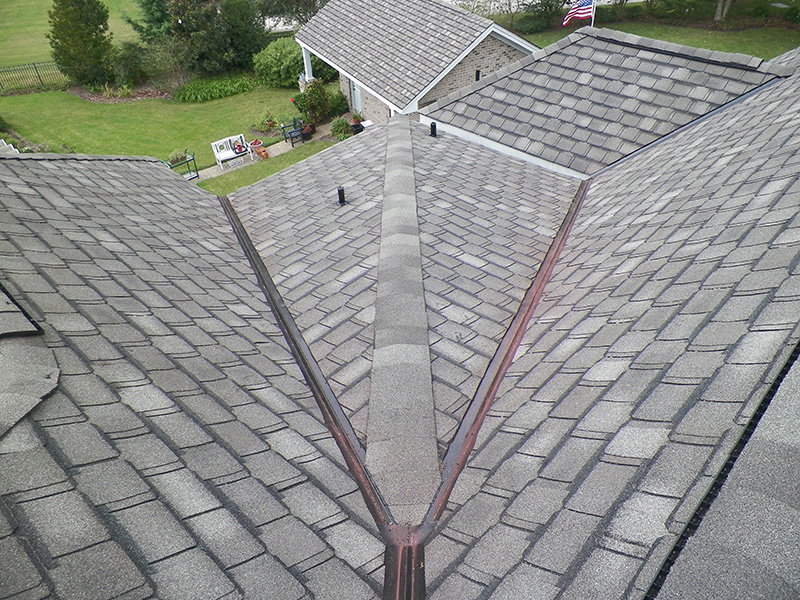
To prepare your Hampton Roads roof for hurricane season, inspect your shingles, check your flashing, clean your gutters, trim overhanging branches, and review your insurance policy before the first named storm of the season. Hurricane season runs June 1 through November 30, with the Atlantic's peak window in August through October. Here is what each step actually involves. The Chesapeake Bay and Atlantic coast give Hampton Roads a unique exposure. Storms can approach from multiple directions, and the flat coastal terrain means wind has little to slow it before it reaches your neighborhood. Named storms have hit this area in July before, and tropical moisture events that never make national headlines can drop as much water as a named storm.
Inspect Your Shingles Now, Not After
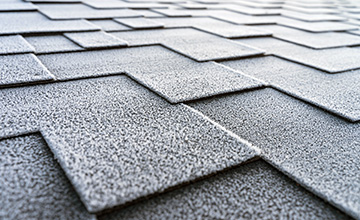
Walk the perimeter of your house and look up from the ground. You are looking for shingles that are curling at the edges, visibly cracked, or missing altogether. Any shingle that is already compromised is the first thing wind will grab. In Hampton Roads, the pattern after every named storm is consistent: roofs that were borderline before the storm failed first. A free inspection before the season peaks tells you exactly what you are working with.
Check Your Flashing
Flashing is the metal that seals the joints around chimneys, skylights, and anywhere the roof meets a vertical wall. This is where water finds its way in when wind drives rain horizontally, which is exactly what a hurricane or strong tropical system does. Loose or corroded flashing does not always look alarming from the ground, but it is a direct entry point for water. If your flashing is older than 15 years or shows any visible rust or separation, it warrants a closer look before storm season peaks.
Clean Your Gutters
During heavy rain, clogged gutters back up and push water under the edge of your roof. It sounds minor until you have standing water on your roof deck during a storm that is already testing every other component of the system. Cleaning your gutters takes about 30 minutes and prevents a problem that costs several thousand dollars to fix after the fact.
Trim Overhanging Branches
Trees near your roofline are the most common source of impact damage in Hampton Roads storms. Any branch that could reach your roof in a wind event needs to be cut back. July is a good time because trees are fully leafed out and you can clearly see what is hanging over the house and which direction it would fall.
Know Your Insurance Policy Before You Need It
Know your policy's storm damage provisions before a storm is named. Some policies require you to take reasonable steps to prevent additional damage after an event, which can mean tarping an exposed section of roof. Know your deductibles for wind, water, and hail, since these are often different figures. SB Roofing works directly with insurance companies and can help document damage, but it is much easier to understand your coverage before you are filing a claim under pressure.
Get an Inspection Before August
Most roofs in Hampton Roads show wear that is invisible from the ground. A professional inspection takes about 45 minutes and gives you a clear picture of what is likely to hold and what is not. If something needs attention, getting on the schedule in July means the work is done before peak hurricane months. Call SB Roofing at (757) 785-9937 to schedule a free inspection.
Frequently Asked Questions
When should I inspect my roof before hurricane season?
Before August. The Atlantic's peak window is August through October. Getting an inspection in June or July gives you time to schedule any repairs before conditions become urgent.
What part of a roof fails first in a hurricane?
Flashing and any shingles that are already compromised. Flashing at chimney bases, skylights, and wall intersections fails when wind drives rain horizontally. Shingles that are curling or cracked lose their grip under sustained wind loads.
How long does a roof inspection take?
About 45 minutes for a standard home. SB Roofing provides free inspections for Hampton Roads homeowners. Call (757) 785-9937 to schedule.
What wind speed can damage a roof in Hampton Roads?
Standard three-tab shingles are rated for winds up to 60 mph. Architectural shingles like GAF Timberline HDZ are rated for up to 130 mph. Hampton Roads can see sustained winds well above 60 mph in a Category 1 or stronger storm.
ABOUT SB ROOFING
Commercial and Residential Class A Contractor
Here at SB Roofing, we are dedicated to providing quality products, craftsmanship, and service. But, more importantly, we want to assure that you are completely satisfied with the job we do for you.
We are experienced providers of the industry's most secure residential roofing solutions, providing Hampton Roads homeowners with over 25 years experience. From immediate roofing estimates to quick service to final clean-up, we have built our reputation on protecting your most important investment - your home!
We pay special attention to detail by having continuous job supervision and highly qualified installers on every job. Also, SB Roofing maintains discreet relationships with roofing manufacturers and distributors, allowing us to provide you with the best prices, availability and selection at all times. And our work is backed by a full warranty that covers labor & materials.